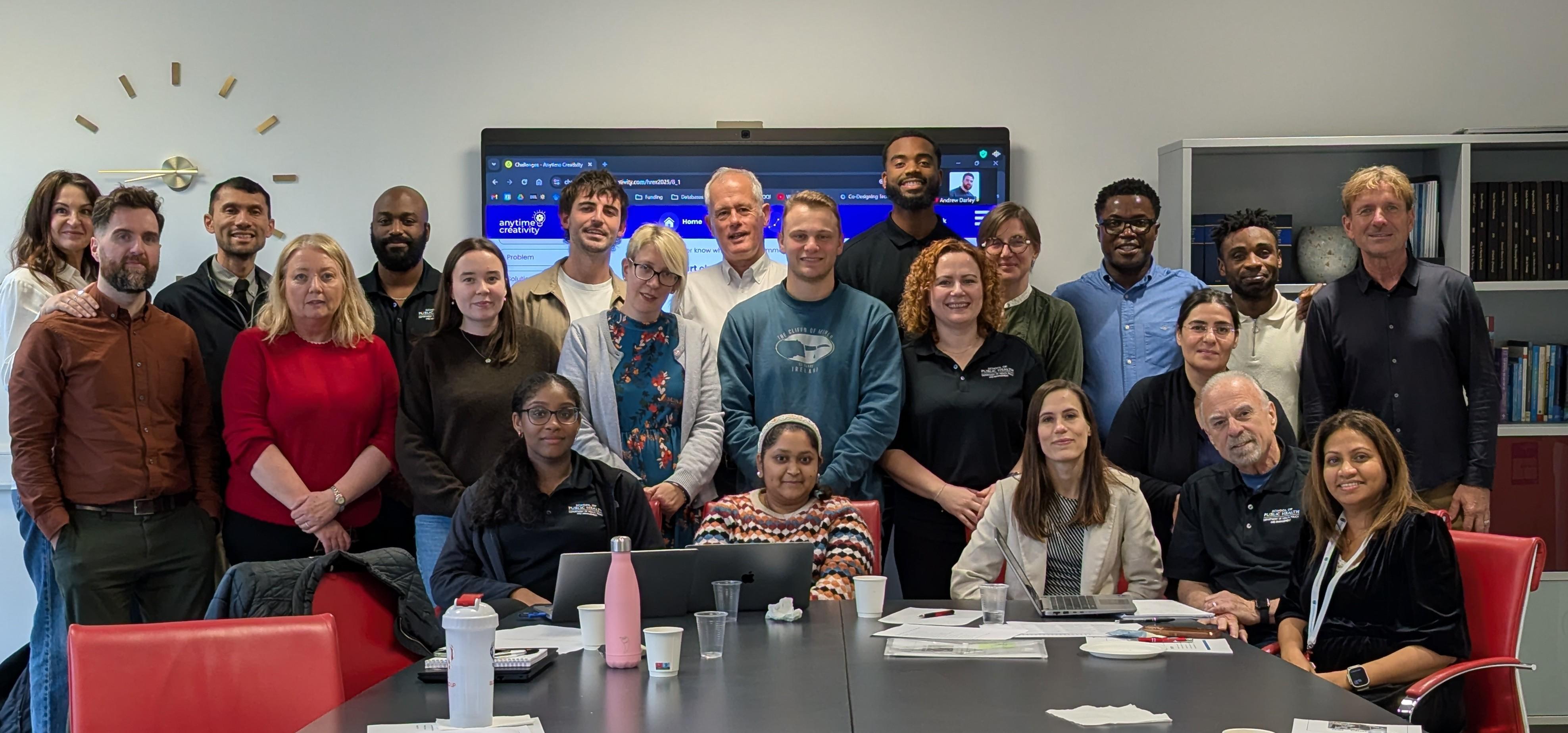
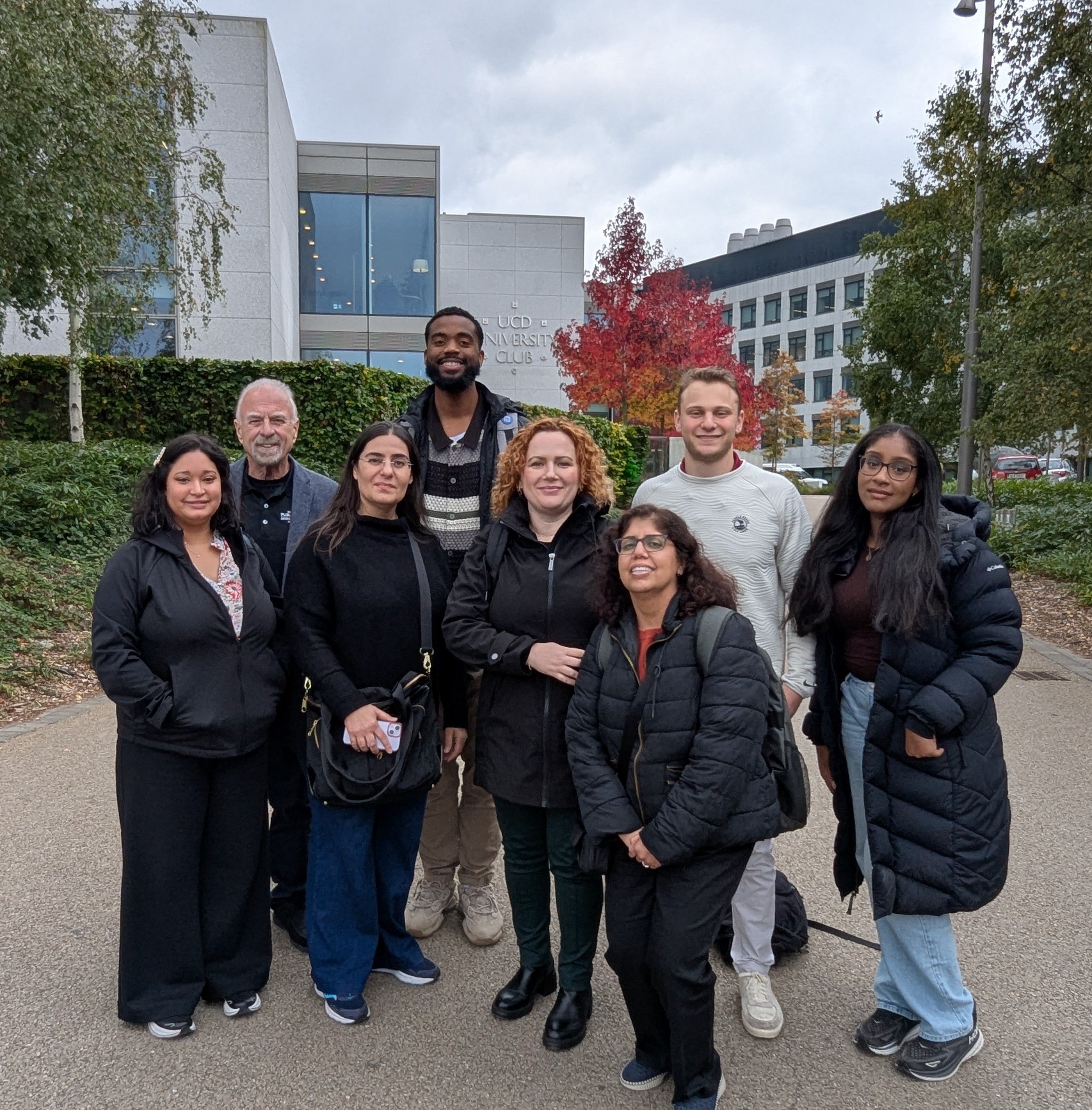
In October 2025, early-career researchers and doctoral students from U21 member institutions and a policy leader convened in Dublin for the biannual Universitas 21 Health Research Exchange (U21HREx) symposium. Chaired by Dr. Negin Fouladi of the University of Maryland (UMD), the U21HREx network brings together participants from UMD, the University of Birmingham and University College Dublin as a growing global community of practice. Led by Associate Professor Kate Frazer of University College Dublin, the symposium connected students and early-career researchers across national contexts to exchange perspectives on health policy, health-system reform, localized care models, and the shared global challenge of advancing mental health and culturally competent care.
More broadly, the gathering demonstrated how sustained international collaboration can accelerate the translation of research into policy and practice. As an international knowledge translation and exchange network, U21HREx creates structured opportunities to share work in progress, learn from diverse health systems and build long-term research relationships across U21 institutions.
Reflecting on the network’s purpose, Dr. Fouladi underscored the importance of sustained global connection for professional development. “We created this community to facilitate research and practice mentorship and professional development for students and early career researchers in the field,” she said. Through U21HREx, participants are encouraged to “expand on local and international research practice and joint academic initiatives to strengthen U21 member institutions connections and train the next generation of healthcare leaders.”
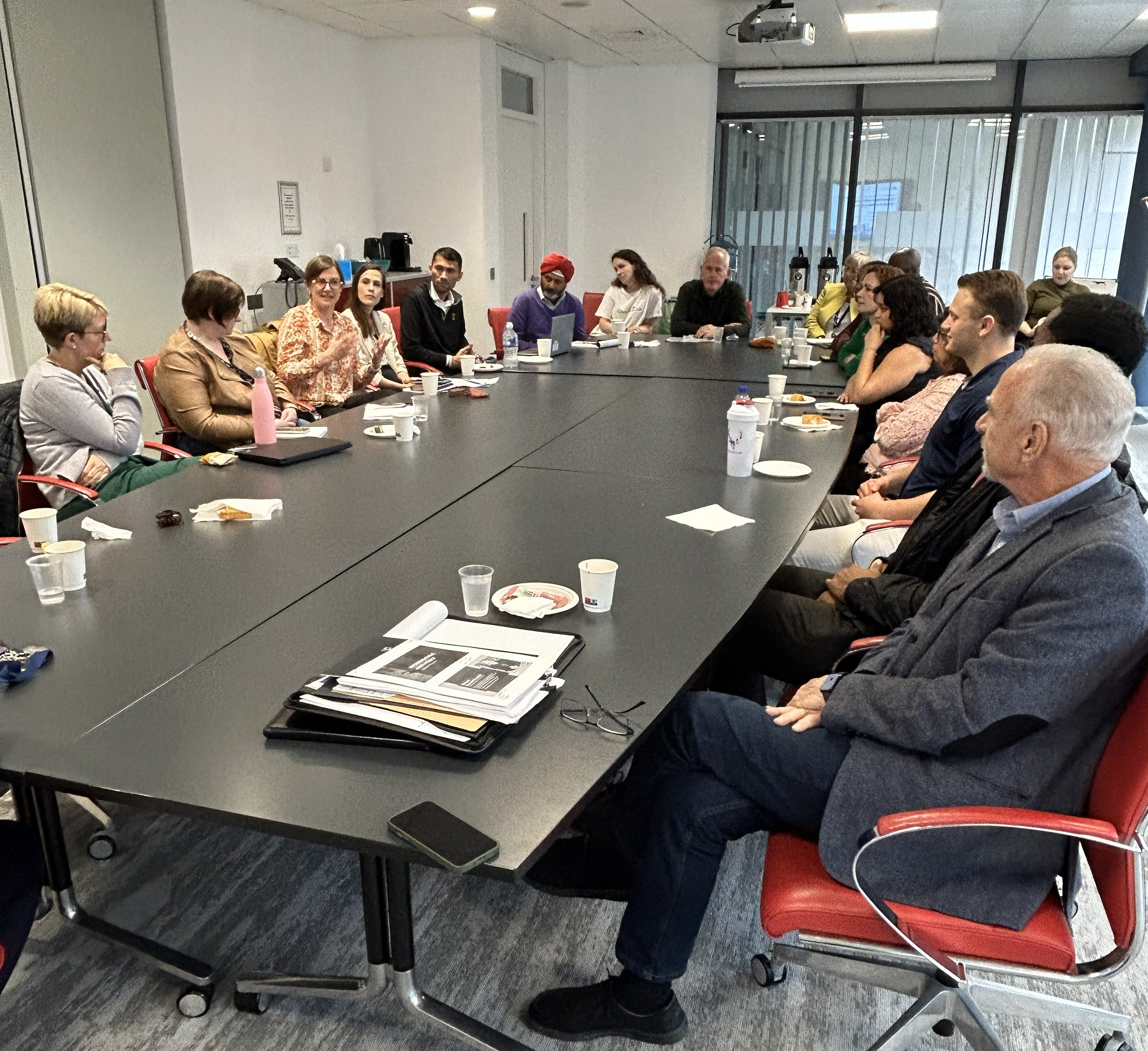
Rather than functioning as a traditional academic conference, the Dublin symposium emphasized active exchange. Participants engaged in lightning talks, roundtables and collaborative group exercises. These formats supported discussion of research while projects were still evolving and encouraged participants to test ideas across national contexts. Many researchers identified this approach as particularly valuable for receiving early feedback and gaining comparative perspective.
For early-career researcher Dr. Julia Gauly from the University of Birmingham, the experience reinforced the importance of cross-national learning. “Hearing how healthcare systems and academia work across countries really made me reflect on new perspectives I can bring into my own work,” she said. The relationships formed during the symposium also laid the groundwork for future collaboration. “I met brilliant Ph.D. students from Maryland, Birmingham, Dublin, and I already linked some of them up to share ideas and collaborate.”
Doctoral student Helen Crump, also from the University of Birmingham, highlighted the value of engaging with international research-in-progress. “Healthcare quality improvement is very much an international phenomenon,” she noted, adding that it can be difficult to engage deeply with research from other countries before publication. Hearing about projects while research was still under way, she said, was “incredibly interesting and exciting,” and reinforced the value of examining shared policy challenges across different systems. “The commonalities in terms of research challenges and live policy questions are striking,” she observed.
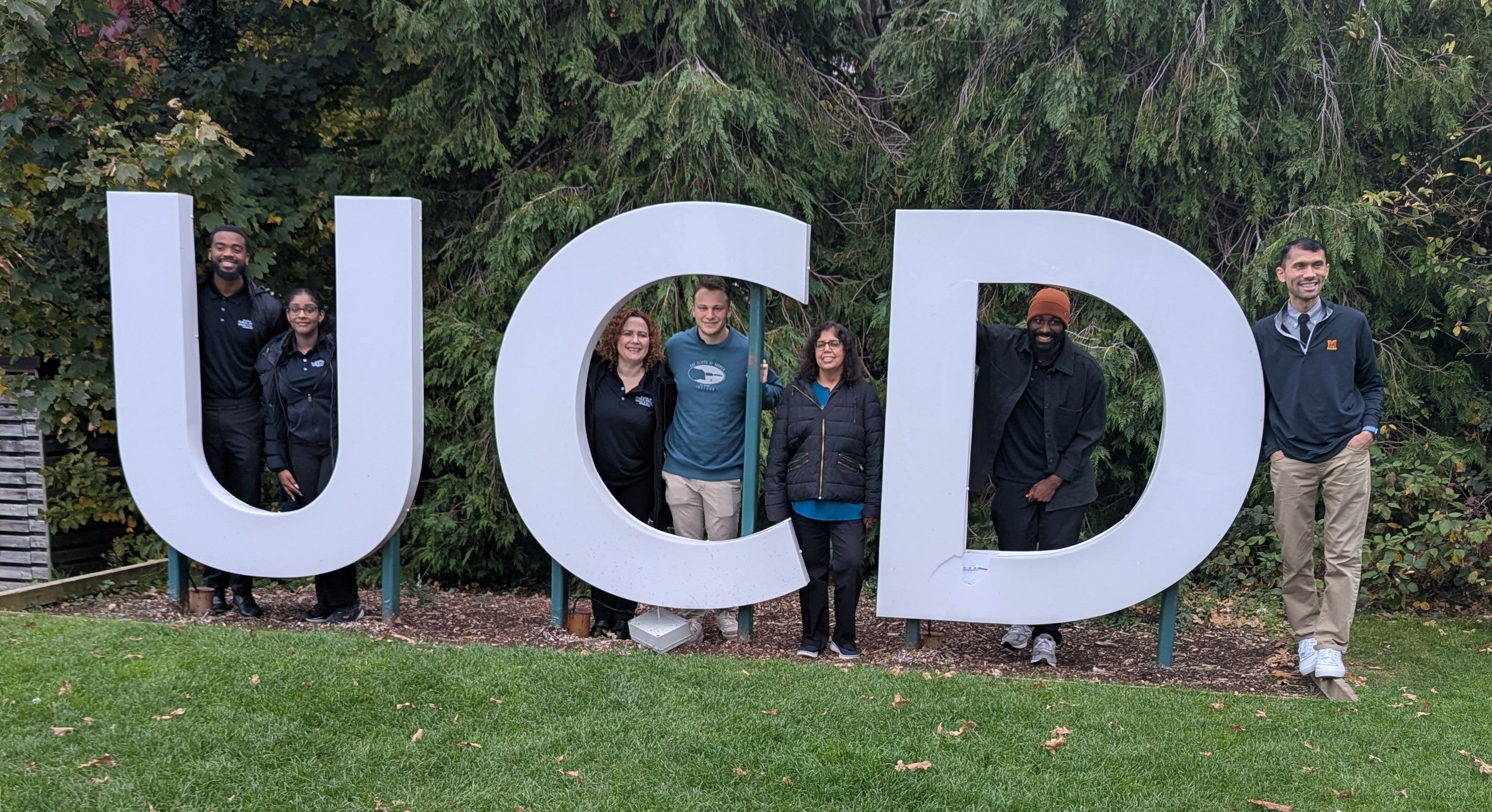
The symposium also created space for dialogue between researchers, policymakers and healthcare leaders, reinforcing the role of evidence-informed decision-making in health governance. Maryland House Delegate Ken Kerr, a member of the state’s Health and Government Operations Committee, joined the exchange to engage directly with researchers and health professionals. Reflecting on the experience, he shared that participating in the symposium helped him better understand “how the laws we make in Annapolis affect the lives of patients, caregivers, and public health workers across the state,” while also fostering mutual understanding of the policy process.
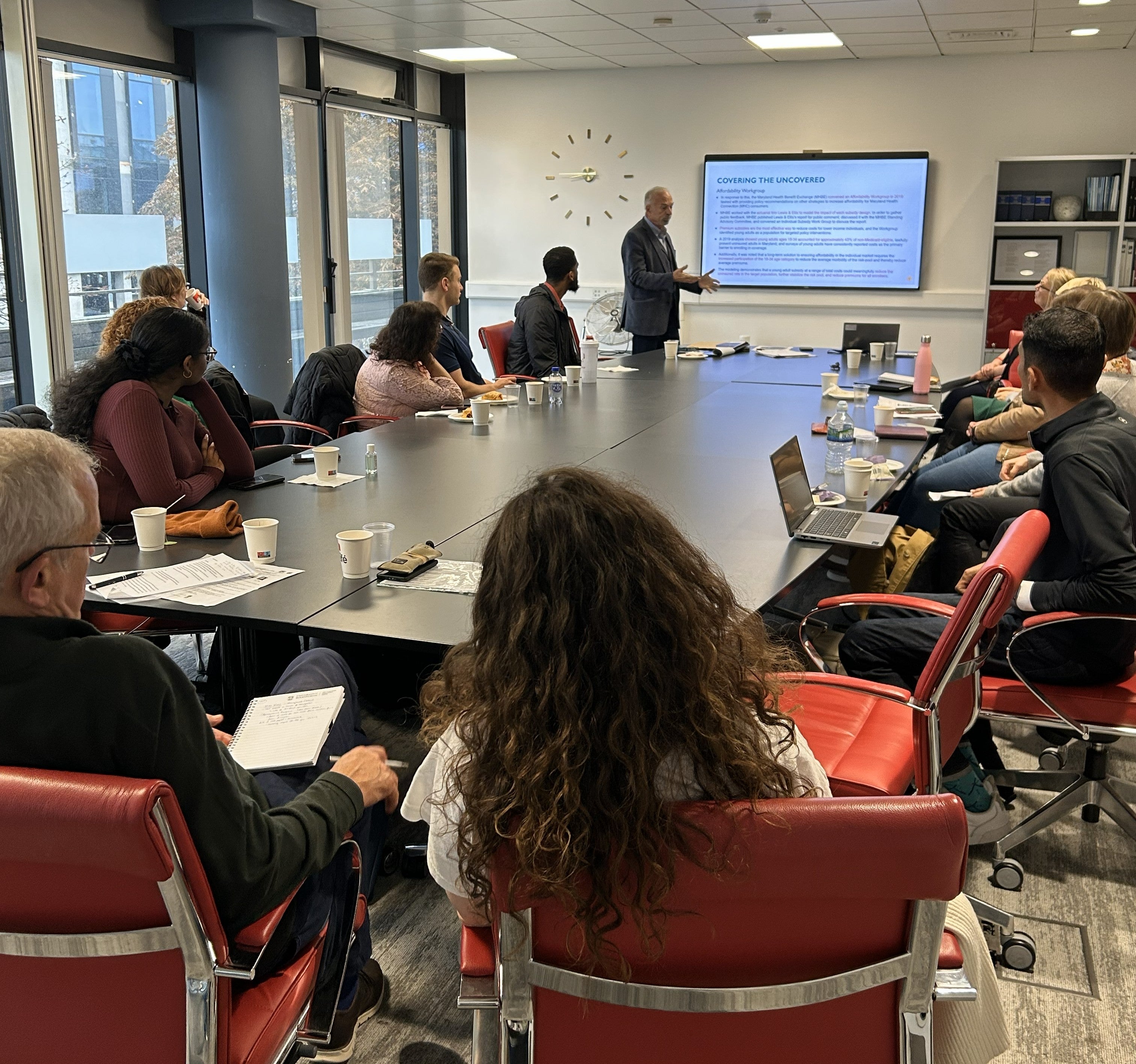
These interactions reflect the broader impact U21HREx aims to achieve: building shared understanding across sectors and borders while preparing early-career researchers and students to engage confidently with policy and healthcare audiences. By situating research within real-world health systems, the network supports scholars in developing the skills necessary to contribute meaningfully beyond academia.
The connections formed in Dublin have continued to generate momentum. Following introductions made at the symposium, Dr. Nina Thamanam, assistant professor at the School of Nursing, Midwifery and Health System, UCD expanded her research network through a visit to the University of Maryland School of Public Health. She emphasized the importance of creating leadership opportunities for early-career researchers, including presenting to peers and taking active roles in shaping symposium dialogue.
Looking ahead, U21HREx will build on the ideas and partnerships strengthened in Dublin at its next biannual symposium, scheduled to take place at the University of Birmingham in Spring 2026. As an ongoing community of practice, the network continues to facilitate mentorship, collaboration and knowledge exchange across U21 institutions. Its work reflects a broader shift in global health research toward more connected, practice-oriented and collaborative models—ones that recognize the shared challenges facing health systems worldwide while valuing local context and expertise.
To learn more about the U21HREx community of practice visit the Maryland Global website.