Daniel Lee knows what it feels like to arrive somewhere unfamiliar and find your footing. As an international graduate student from South Korea pursuing a Master’s degree in higher education, student affairs and international education policy, he came to the University of Maryland carrying what he describes as "a little bit of imposter syndrome."
Lee’s experience navigating U.S. higher education, and learning how to see his international perspective as an asset helped shape global learning at UMD and who it is designed for.
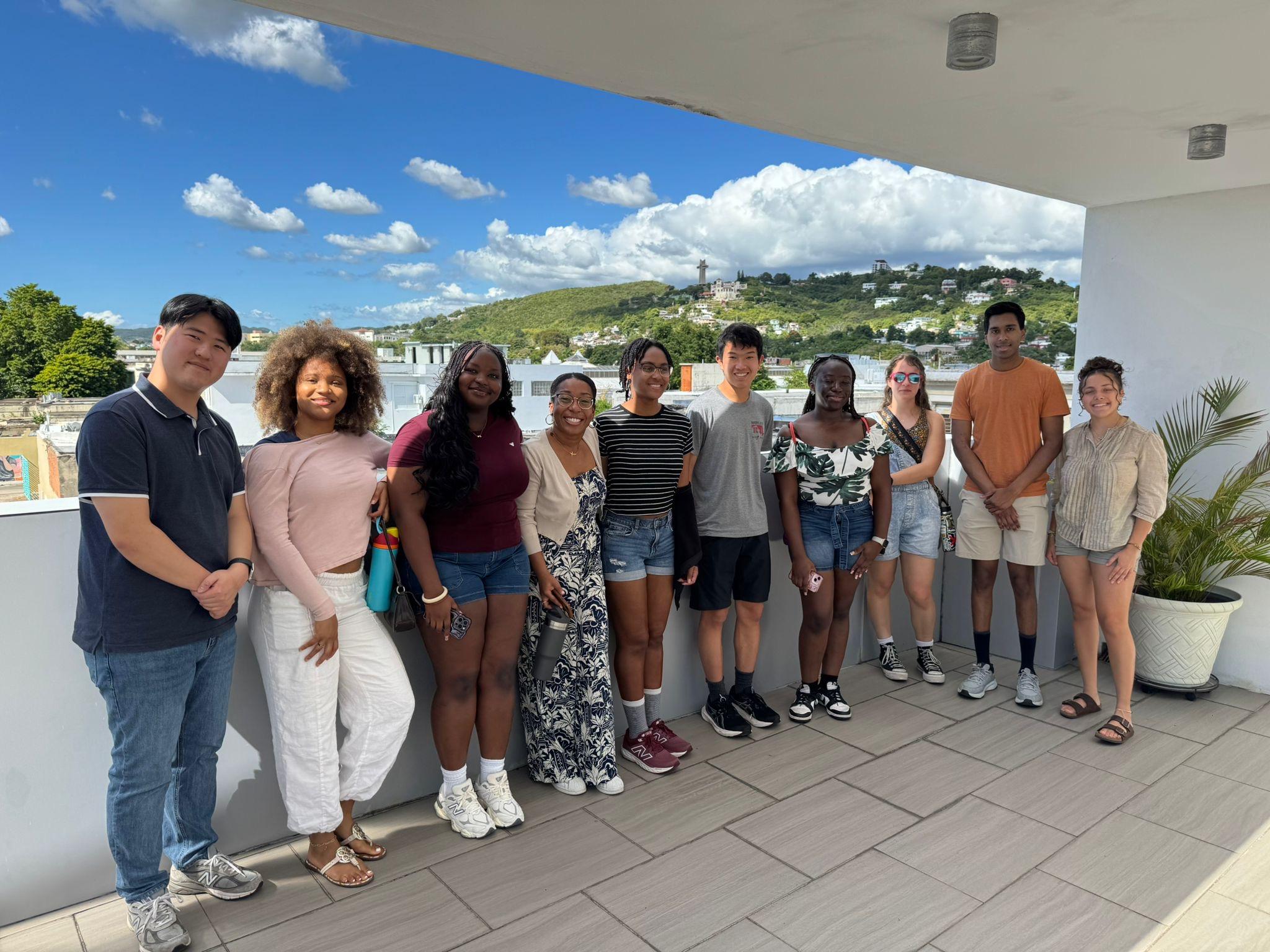
In Winter Term 2026, Lee supported Bridging Science and Culture: Exploring Puerto Rico's Environmental and Social Challenges — a new study abroad program he co-designed to connect science and culture for students who don’t always see themselves reflected in traditional global learning opportunities. On his first night in Ponce, sitting down to dinner with local partners, the months of work behind him suddenly clicked. "I remember day one… I was like, alright, this is why I chose to do this," he said.
The idea grew from a simple observation: traditional study abroad programs weren’t built for many of the students Lee works with every day.
As a graduate assistant with the Integrated Life Sciences (ILS) Honors Program, Lee works closely with Jalah Townsend, assistant director for student services in ILS, on student programming and curriculum design. Many ILS students follow tightly structured pre-med or STEM tracks, leaving little flexibility for semester-long programs abroad. Duration, cost, and academic alignment all posed barriers. "We also wanted to make sure that we did not limit international students from going abroad with us," he said.
Puerto Rico offered a compelling solution. When considering study abroad destinations, "we found that Puerto Rico was a fascinating place that has been overlooked historically," Lee said. A U.S. territory with a distinct national cultural and educational identity, it allowed students to engage in a meaningful, place-based experience while avoiding some of the logistical barriers that often come with going abroad.
Bringing the program to life required collaboration across disciplines. Lee connected with Dr. Rebeca Moreno, assistant director of engagement and inclusion programming for International Student & Scholar Services (ISSS) and visiting instructor in the Department of Spanish & Portuguese (SPAP), who had strong local connections and an existing framework for a humanities-focused Puerto Rico program.
Together — alongside Education Abroad and local partners on the island — they reshaped the existing program curriculum into a multidisciplinary course that would resonate with science-focused students while grounding their learning in social and cultural context.
"While I brought the humanities perspective as a specialist in Spanish Caribbean literature, and the field knowledge as an international education professional and Puerto Rican, I didn't have the science lens to fully support a STEM curriculum," said Dr. Moreno. "Daniel integrated the sciences component, which allowed for an expanded and multidisciplinary program."
Lee approached the work with care, thinking about Puerto Rico the way he would want others to think about South Korea. He immersed himself in research and was intentional about how the island would be represented. "I did not want to misrepresent anything. I wanted to be accurate, and I also wanted to be respectful," he said. "We were students in this process as well."
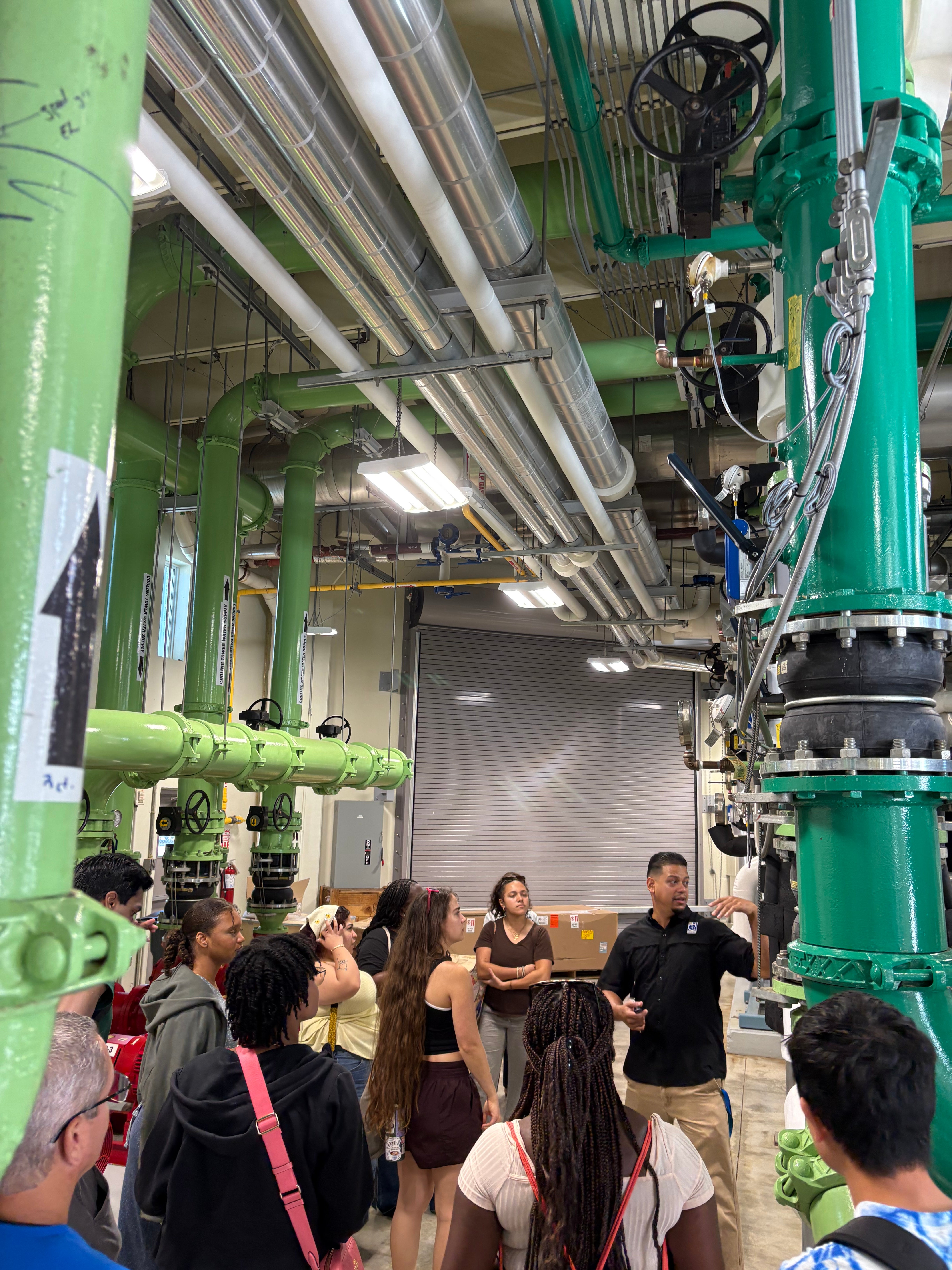
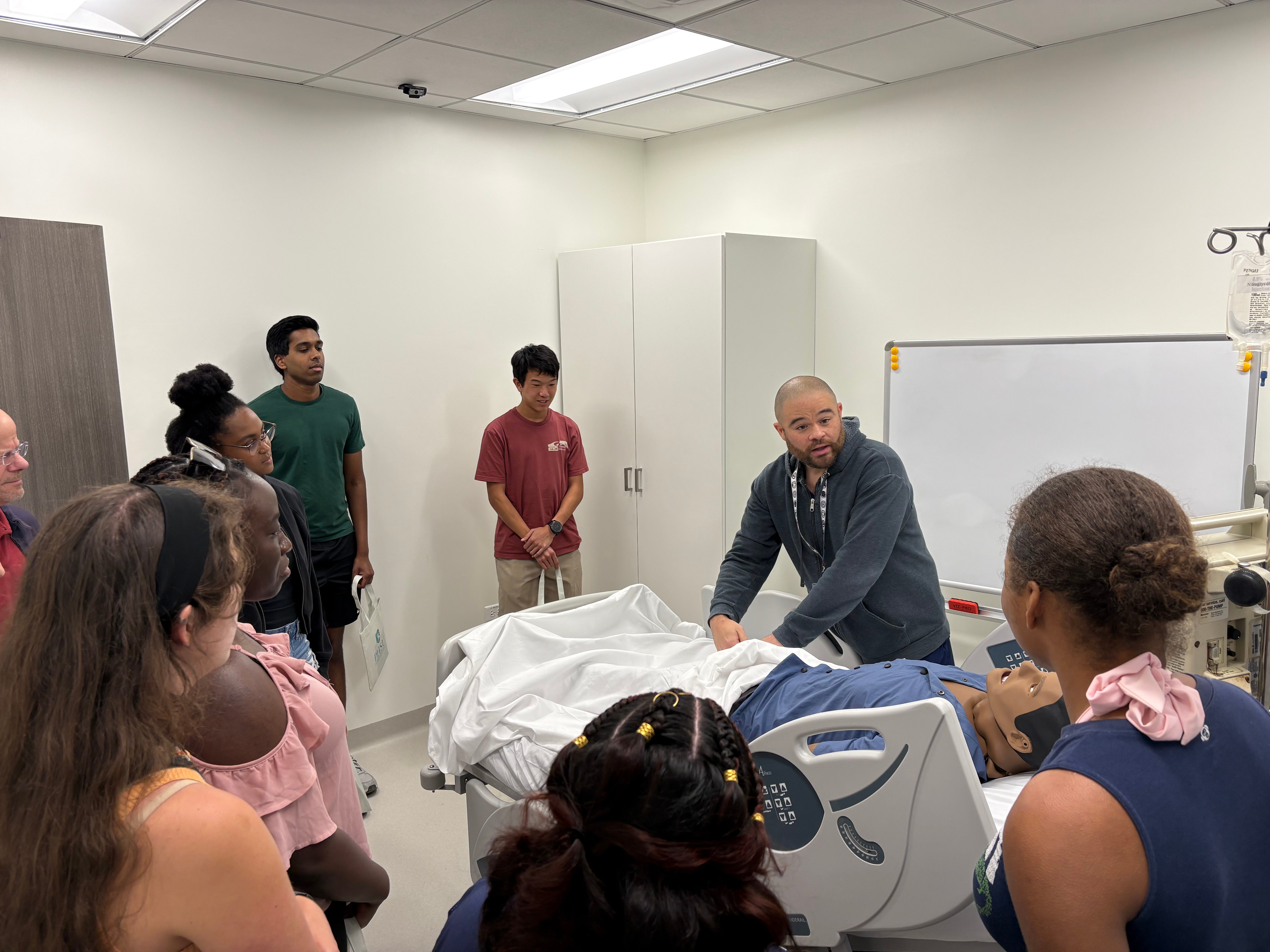
Once on the island, that intentional program design came to life. Co-directed by Dr. Moreno and Townsend, with Lee supporting, students used Puerto Rico as a case study to explore how politics, history, and culture intersect with public health, climate change, and medical education. They visited hospitals, environmental research centers, and community organizations, and learned from artists and activists working toward more equitable and sustainable futures.
Lee had wondered whether natural science students might struggle with the multidisciplinary approach. They didn't. "To my surprise, they were very engaged… I saw this light in their eyes and they were so intellectually curious about these topics," he said.
One student put it simply: "Above all, pairing our classroom learning with lived, real-world experience was nothing short of transformative."
For Lee, that response confirms his long-held belief that international students bring something U.S. higher education needs. "International graduates come with a wealth of cultural knowledge that spans across the years," he said, adding that diverse perspectives matter most "when we get stuck in doing what we've been doing for a very long time."
At Maryland, he found space to contribute in that way. "People here at Maryland see you as a colleague… a partner… a professional as well," he said.
As he prepares to graduate, the Puerto Rico program stands as more than a single initiative. It shows what becomes possible when global learning is designed with broader access in mind, both in where students go and who gets to go. He leaves having helped reshape what it can look like.
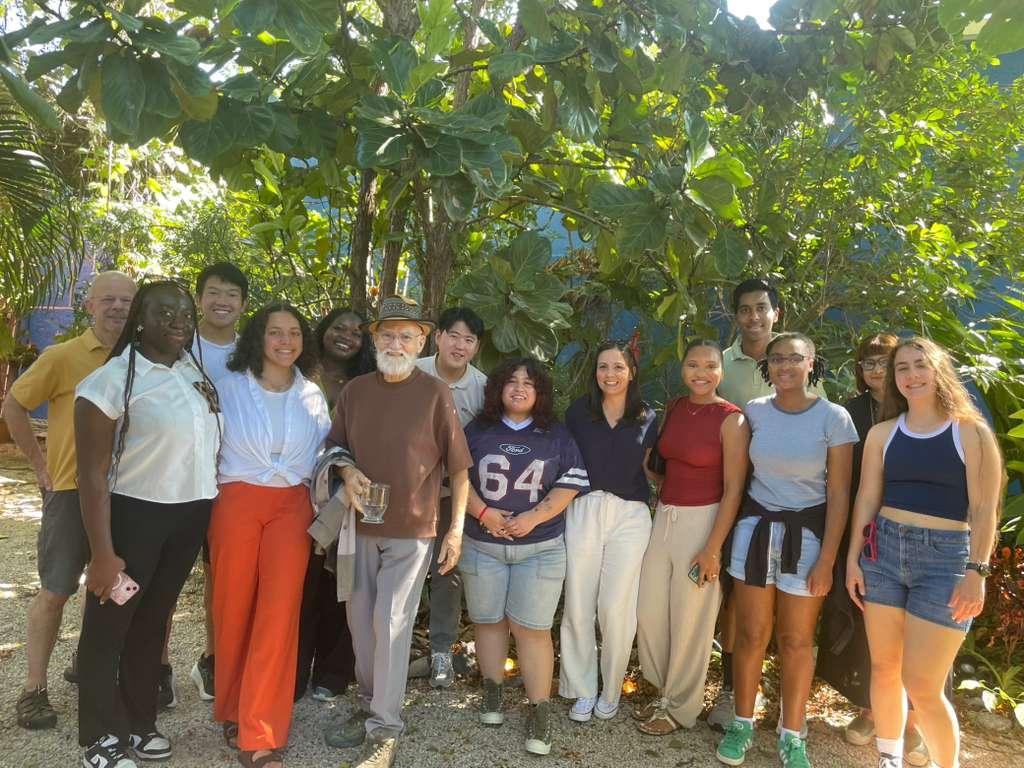
Students engage in an exciting conversation with artist and writer Maestro Antonio Martorell in his workshop.
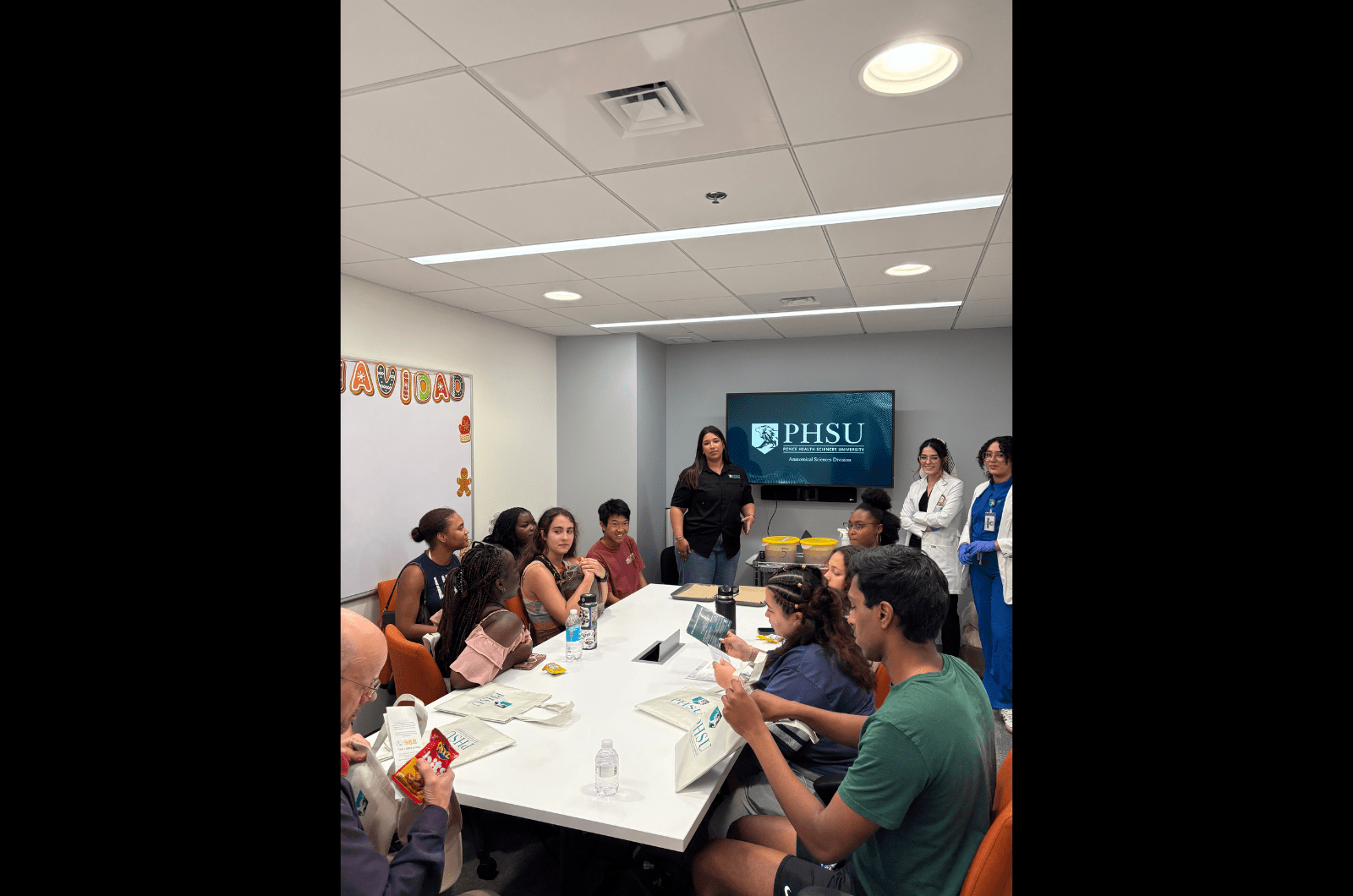
The Ponce Health Sciences University clinical psychology students led a short session on the human brain and allowed students to touch a human brain
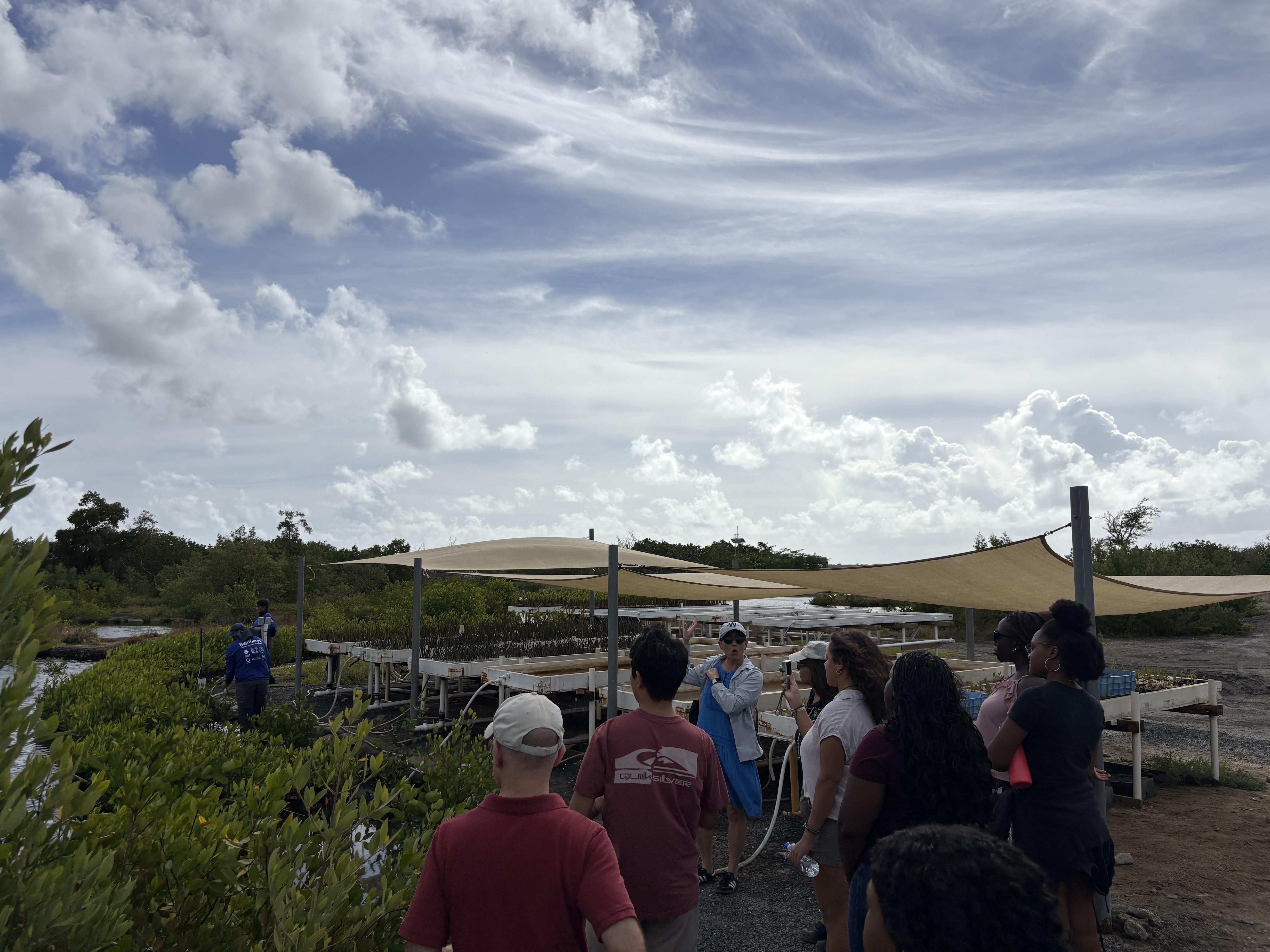
At the Jobos Bay National Estuarine Research Reserve, students engaged with volunteers in action
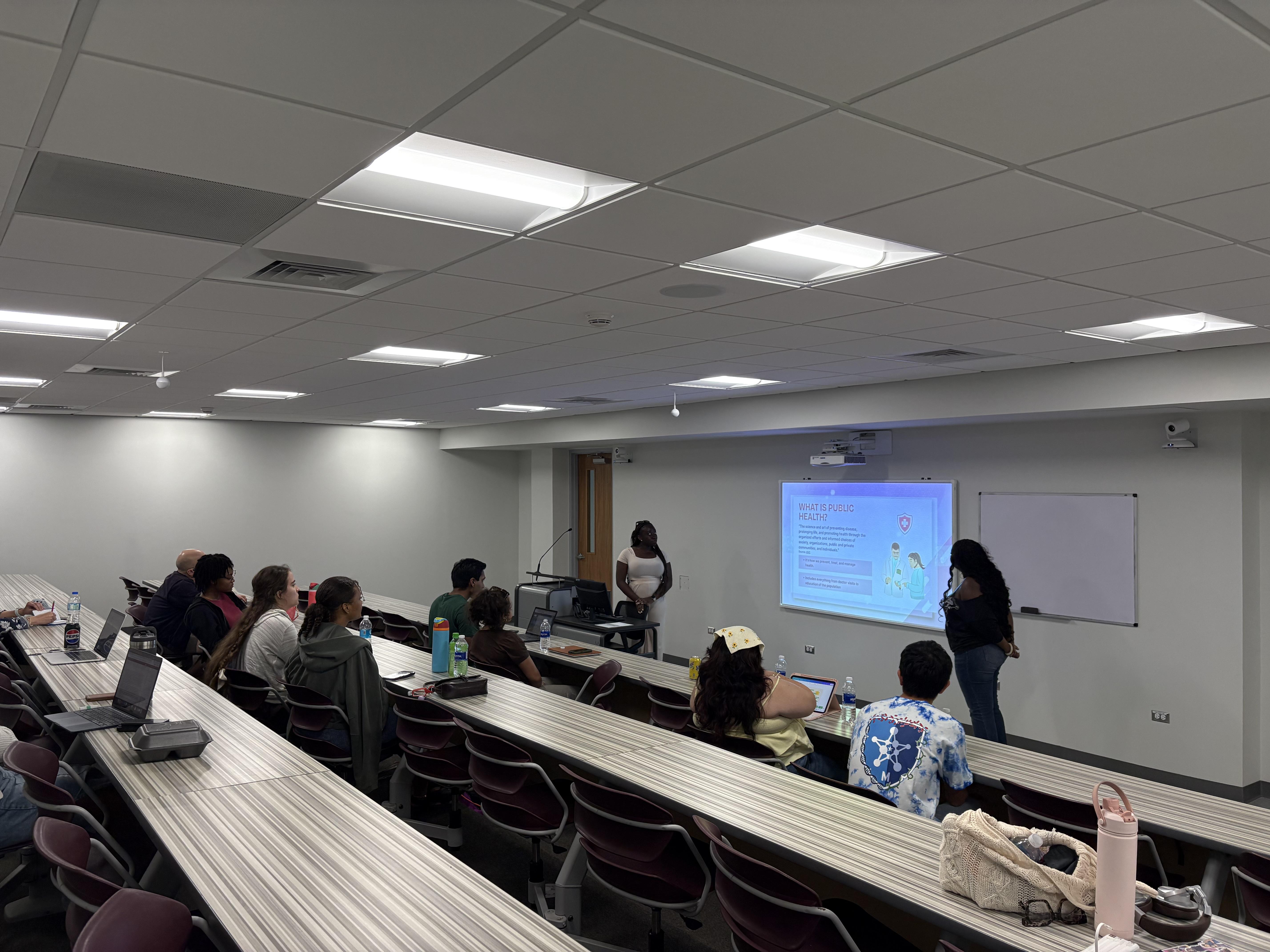
Students led daily discussions to share with their classmates how the readings connected with the experiences outside the classroom
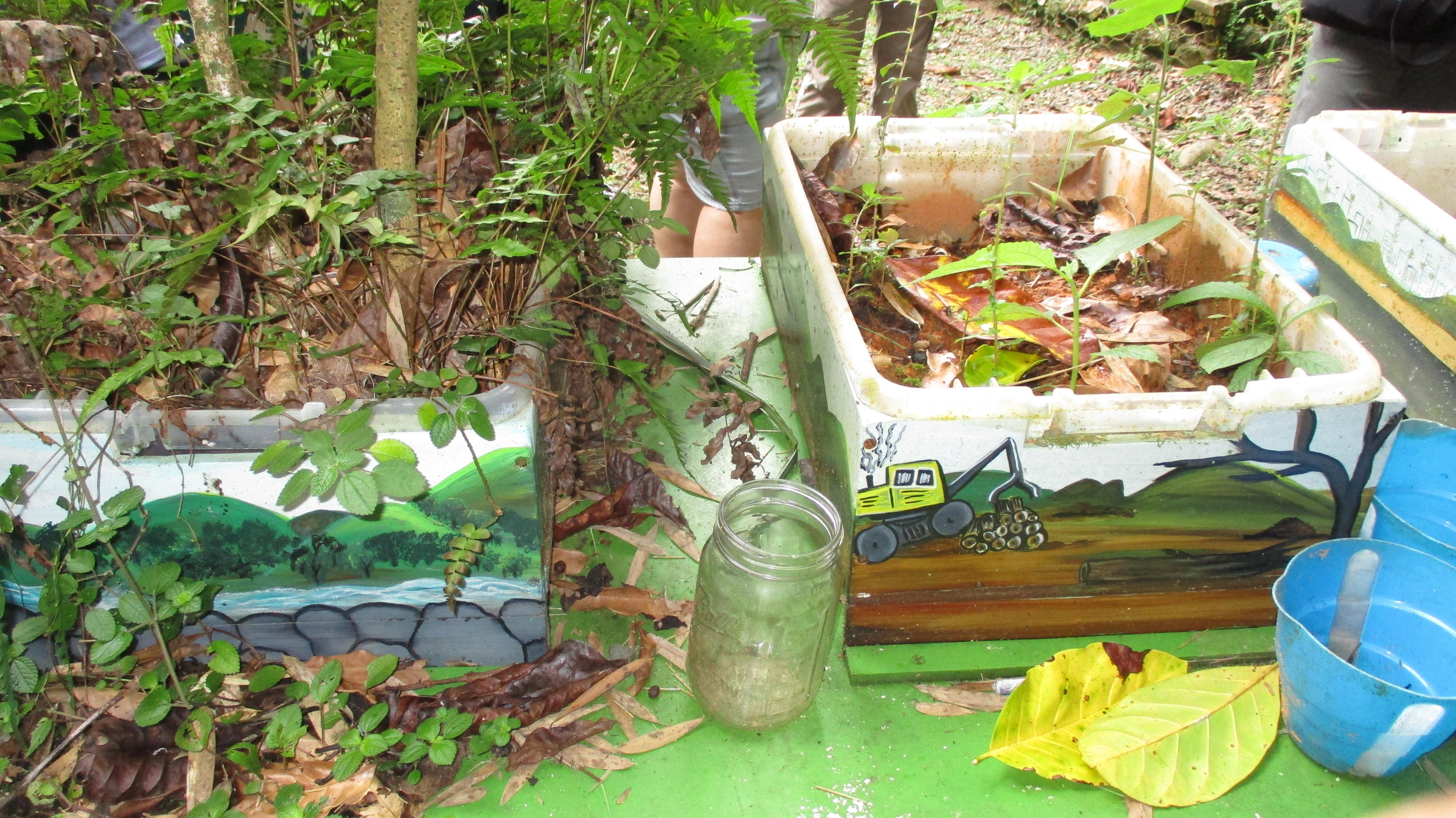
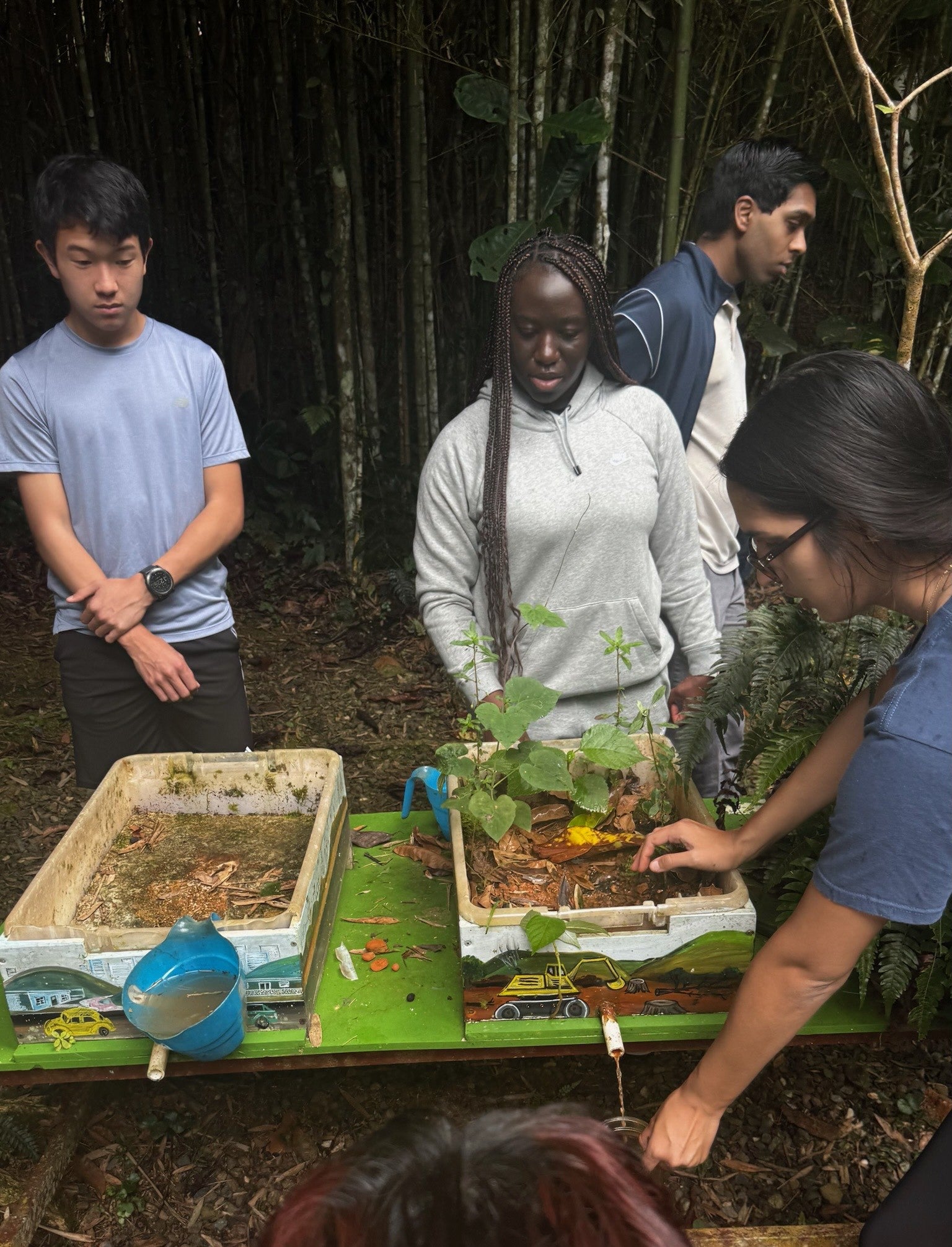
Students learned about deforestation, the significance of protecting forests and its linkage to clean water at the learning grounds of Casa Pueblo.
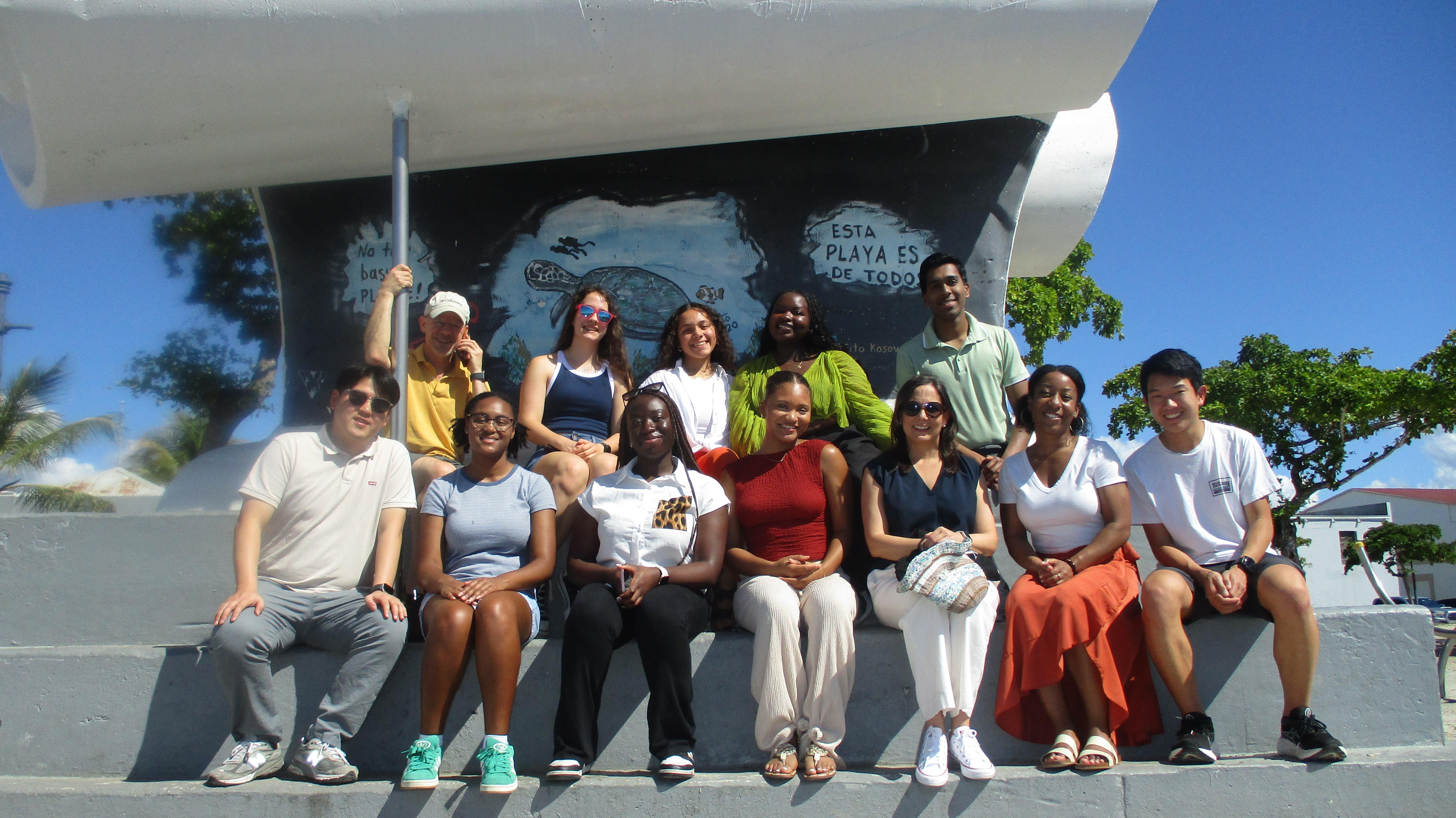
The group visited the docks in Ponce where the US Navy ships stand