The best collaborations sometimes start by accident—and the strongest ones end with new friendships. For Professor Kerry W. Tripp, who teaches family public health and law at the University of Maryland, her Global Classrooms partnership connects students across languages and hemispheres—and it all began with a single call to a professor she’d never met.
“I had been preparing to work with a university in Ireland, and they ghosted me right before the proposal deadline,” Tripp recalls with a laugh. “So I ran upstairs to a colleague and said, ‘Do you know anyone?’ And I just picked up the phone.”
That cold call led to a lasting collaboration with Ana Cunha at the Universidade Federal do Rio de Janeiro (UFRJ) and the creation of Assisted Reproduction Law and Policy in the U.S. and Brazil in 2020. Cunha, a psychologist who evaluates LGBTQ+ couples seeking to start families through Brazil's nationalized healthcare system, brought a social science lens to complement Tripp's legal expertise. The course uses the Global Classrooms model—connecting students at two universities virtually so they can learn together without leaving campus—and has since become an example of what's possible when faculty take a chance on international partnership.
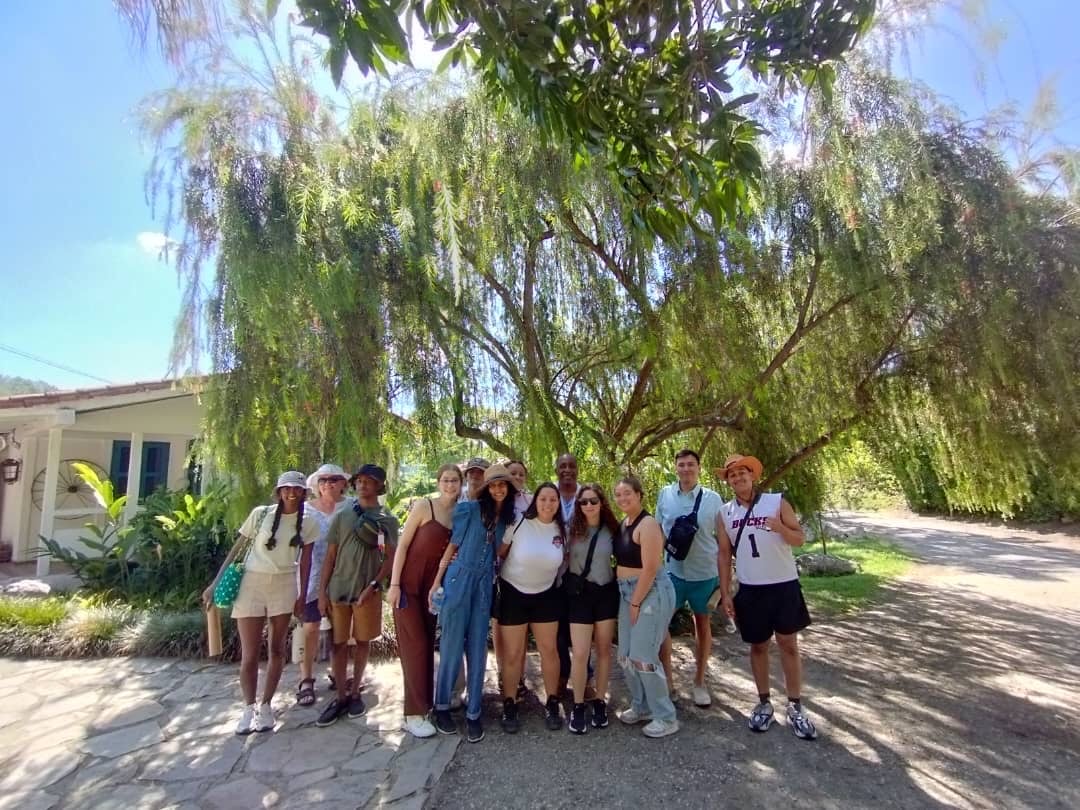
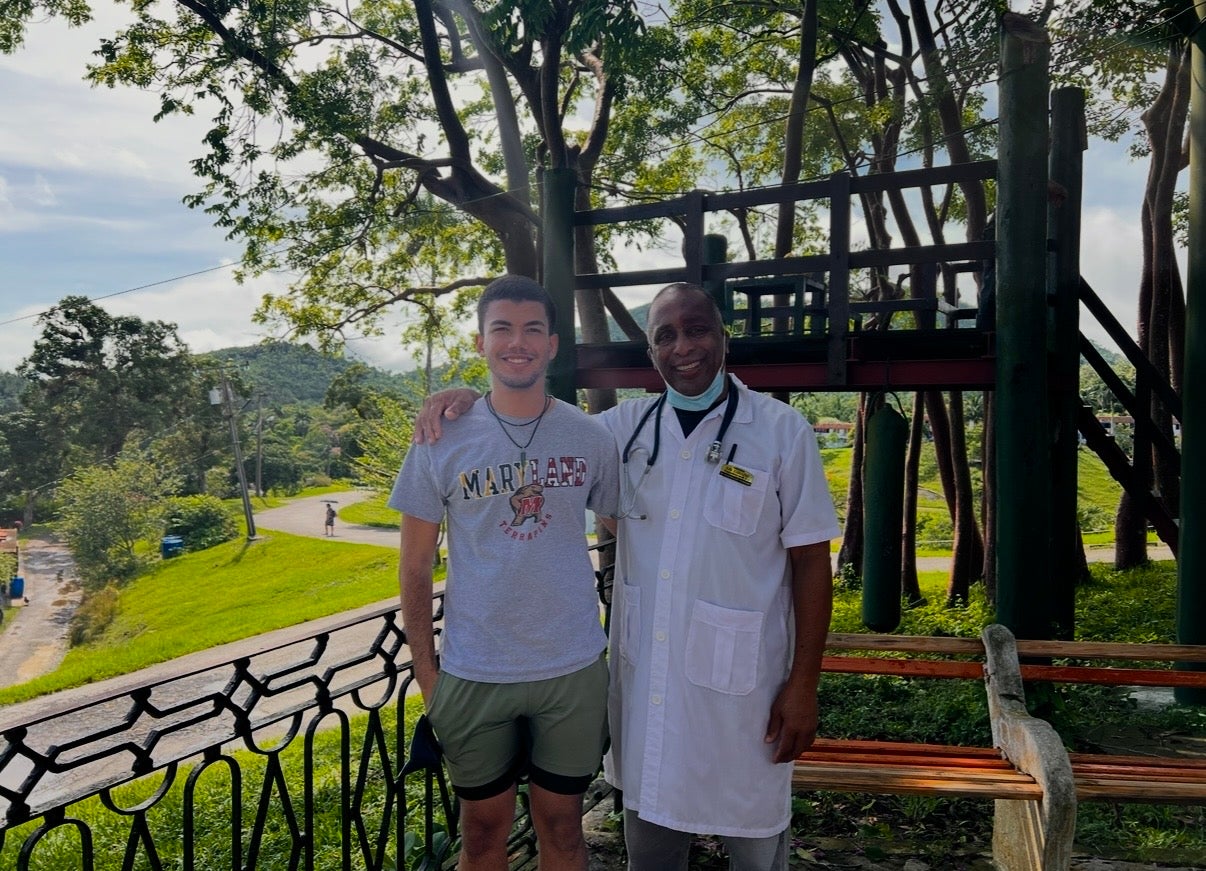
Tripp's commitment to accessible global learning didn't start with Brazil—it began years earlier in Cuba. As a program leader for a Cuba study abroad program, she worked to lower costs and deepen authenticity. “My goal was to make it as cheap or cheaper than taking the same number of credits on campus,” she says. The result: a program that drew first-generation and minority students who had never imagined studying abroad.
Among them was Victor Oliveira, a transfer student majoring in international relations. “When I saw the Cuba program and how dynamic it was, I thought, that’s the one I want to do,” he recalls. “We stayed in Cuban houses, ate at local restaurants and really connected with the community. Professor Tripp made sure we were participants, not just observers.”
For Tripp, Global Classrooms became a way to extend global learning to students who couldn’t travel at all. “I kept thinking about the students who can’t go abroad,” she says. “They might be caregivers, working full-time, or supporting family. I wanted them to have the same opportunity for global connection and discovery.”
Her first Global Classrooms course with Cunha launched in 2020—right in the middle of the pandemic. Instead of isolation, it brought students together. “We called it the Magic Carpet,” Tripp says. “When everyone was stuck at home, our students could talk about law and ethics, share their fears and realize they weren’t alone.”
Two years later, Oliveira joined as Tripp’s teaching assistant. As a transfer student from a Brazilian university, he helped bridge cultural and language barriers between U.S. and Brazilian students. “It was interesting because I could clearly see the differences between universities in Brazil and the U.S.,” he says. “But I also saw how many issues—like the complexity of policymaking—were shared across both countries. That’s what connected the class.”
By fall 2024, students like Liandra de Azevedo Ferreira, a biology major at UFRJ, were taking part in an established and popular course at both universities. For Azevedo Ferreira, it was her first time learning with students from another country. “We usually think about [assisted reproduction] only one way in Brazil,” she says. “Learning with U.S. students helped me see new perspectives—there isn’t just one way to think about these issues, and this course offers the freedom to share these different points of view.”
The Global Classrooms model connects disciplines and cultures through weekly Zoom sessions and collaborative projects, forming relationships that would otherwise be impossible. “At first I was nervous about my English,” Azevedo Ferreira admits, “but everyone was so kind. They listened to my ideas and helped build new ones together. It was one of the best experiences of my life.”
Oliveira saw those cross-cultural bonds deepen week by week. “What really brought the class together was that many of the policy issues we were studying—like reproductive rights—were the same in both countries,” Oliveira says. “When students realized that, they started connecting on a deeper level.”
For Tripp, that realization is exactly what Global Classrooms is designed to spark. “Global Classrooms isn’t just about global learning—it’s about building global communities,” she says. “When you build relationships first, the learning follows.”
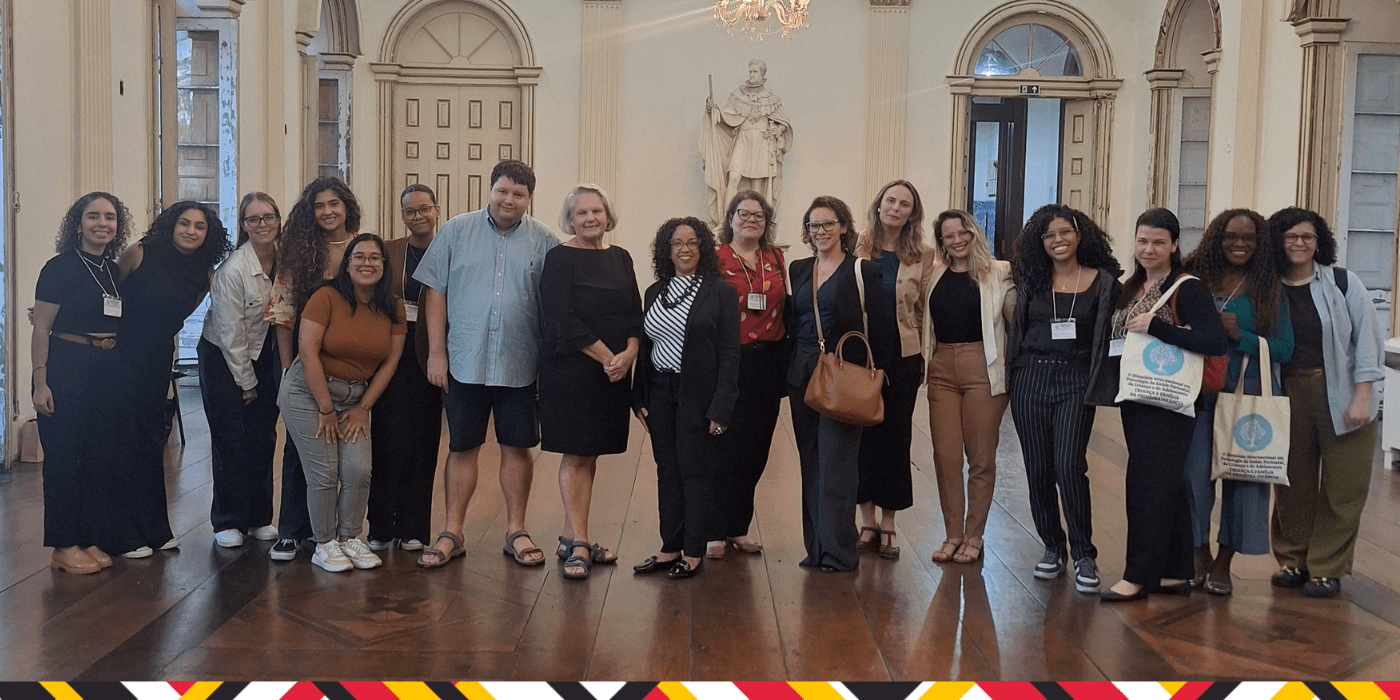
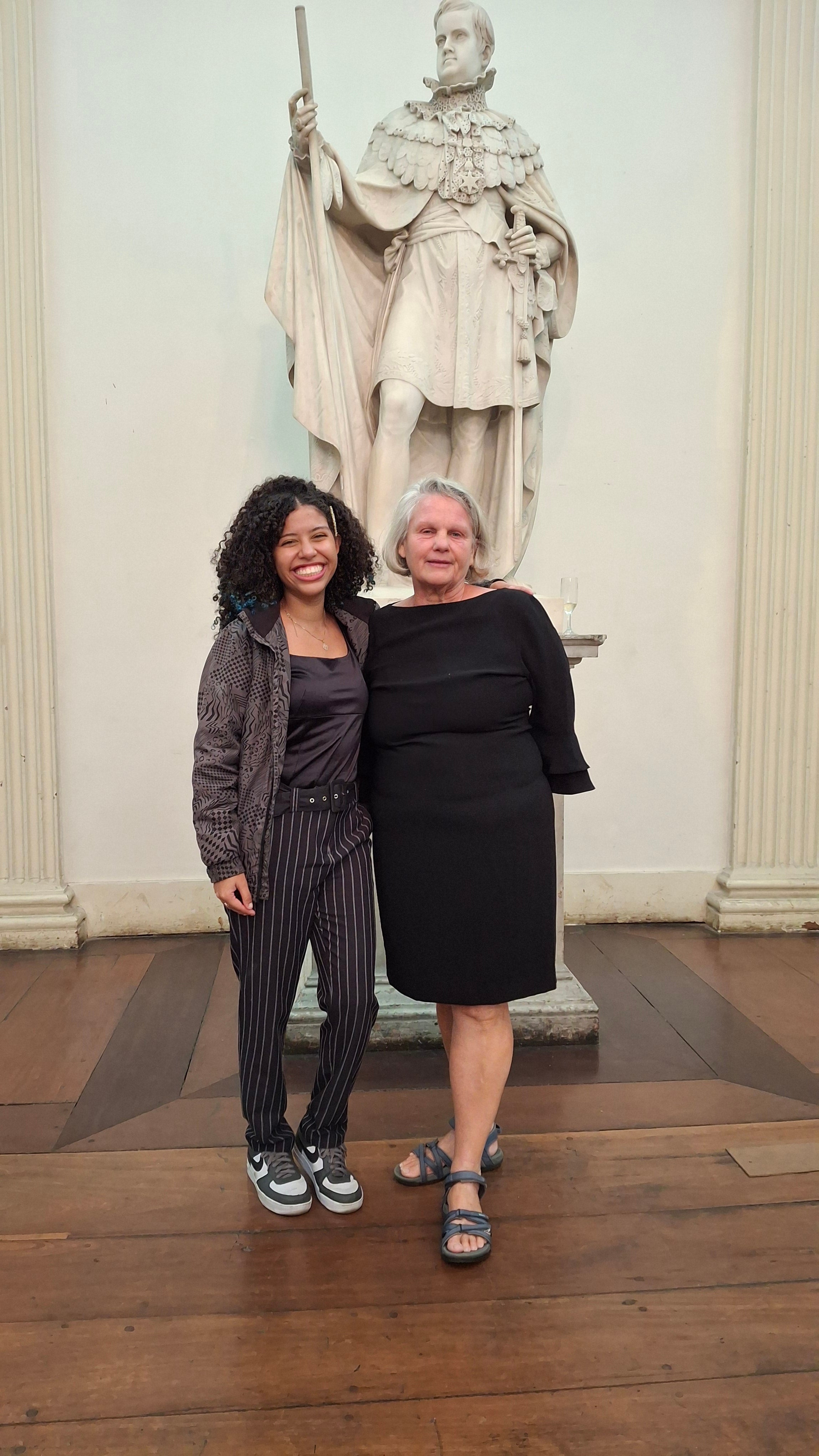
Over time, Tripp and Cunha’s collaboration has evolved well beyond the classroom. Together, they co-authored a textbook, International Law in the Americas: The Parent/Child Relationship in the U.S. and Brazil, and completed research on the impact of their Global Classrooms collaborations—work that they’re now preparing for publication. They’ve also presented at international conferences and developed new projects that continue to expand their shared teaching and scholarship. When Tripp traveled to Rio de Janeiro in October 2025 to lead a masterclass on teaching and reproductive law, the experience brought students and faculty together in one room. “At one point I looked around, and everyone—students and faculty alike—was talking, debating, teaching each other,” she recalls. “That’s what you want in a classroom: not to teach at them, but to let them teach each other.”
The two professors are now launching a new virtual internship program connecting former UMD and UFRJ students to conduct research on child abuse and family public health. Tripp says the high level of student enthusiasm for these upcoming internships shows how deeply the Global Classrooms experience resonates. “They write to me all the time asking when the next project starts,” she says. “Students are craving these opportunities even more than we can produce them.”
Tripp credits Global Learning Initiatives (GLI), UMD’s office of on-campus and virtual international education, and the School of Public Health Global Classrooms Grant with helping her build and sustain the partnership. “The financial and programmatic support made all the difference,” she says. “It allowed me to meet my colleagues in Brazil, and it allowed more students to access these opportunities.”
With that support, Tripp and Cunha launched a second Global Classrooms course, FMSC126: International Family Law: Parent/Child Relationship in the Americas, and Tripp has now expanded the collaboration to include a third institution, the Federal University of Espírito Santo in Vitória, Brazil.
Her advice to other faculty? "If you want to create opportunities like this for your students at the University of Maryland, don't be afraid to reach out," Tripp says. "Make the call. We need more relationships and to build more bridges. You might just discover a passion for it."
The rewards, she says, go far beyond professional milestones. “I’ve published, I’ve presented,” she says, “but what I’m proudest of is the generation of students who’ve become better global citizens.”